

Hormonal Health Care in Coeur d'Alene
Support for Hormonal Imbalance, PMS, Mood Changes, Fatigue, Weight Changes, and the Deeper Factors Behind Them
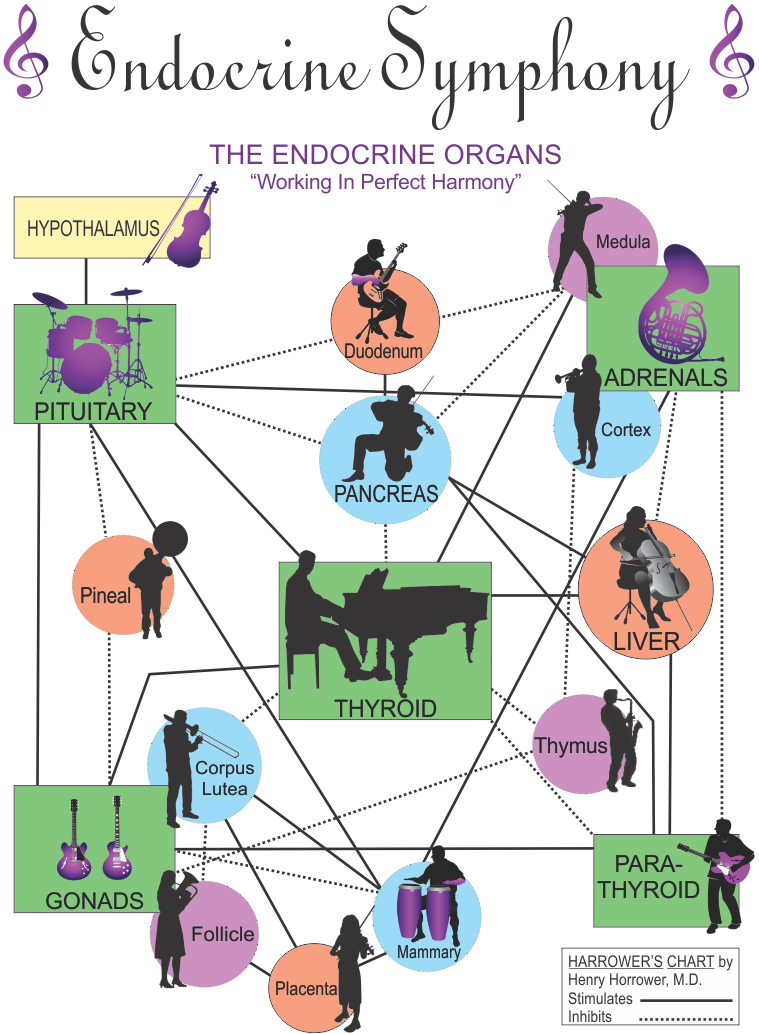
Hormones are one of the body’s major communication systems. They help coordinate many of the functions that affect how you feel day to day, including energy, mood, sleep, metabolism, reproductive health, stress response, blood sugar regulation, and overall vitality.
When that communication system is not working well, symptoms can show up in many different ways. Some people notice PMS, painful or irregular cycles, mood swings, anxiety, irritability, fatigue, weight changes, poor sleep, low libido, hot flashes, night sweats, thyroid-type symptoms, blood sugar swings, or feeling like their body is not responding the way it used to.
Hormonal imbalance is rarely about one hormone or system acting alone. The thyroid, adrenals, pancreas, pituitary, ovaries, testes, liver, digestion, blood sugar regulation, nervous system, and stress response all influence one another. That is why trying to force one number up or down does not solve the underlying problem. The better question is: why is the body struggling to regulate hormones properly in the first place?
At Vital Health, we help patients look beyond the symptom pattern and identify the deeper factors that are interfering with healthy hormonal function.
Our Approach to Hormonal Health
At Vital Health, hormonal health care begins by stepping back and looking at the full picture. Rather than focusing on one hormone in isolation, we look at the interconnected systems that influence hormone production, hormone signaling, detoxification, and communication throughout the body.
This broader view is important because hormones do not regulate themselves in isolation. They depend on the body having the right nutritional building blocks, stable blood sugar, healthy digestion, proper elimination, balanced stress response, restorative sleep, and enough overall strength to do what it is designed to do.
From there, we build a personalized plan that may include acupuncture, nutritional therapy, targeted supplementation or herbal support, and practical lifestyle guidance, all working together as part of a cohesive approach. The goal is not to simply cover up symptoms, but to support the body so it can function more normally on its own.
As we move through care, we continue to refine the plan based on how your body responds, working to strengthen the systems that help regulate hormones and keep the body more stable.
What Patients Often Want to Know
Can you help if my hormone labs are normal but I still feel off?
Yes. Lab work can be helpful, but it does not always explain how a person actually feels or how well the body is functioning day to day. The body can show signs that hormone regulation is struggling before those patterns become severe enough to show up clearly on basic lab work.
Many people have symptoms that suggest their body is struggling to regulate hormones even when their labs fall within a “normal” range. That is why we look at the larger picture, including energy, sleep, digestion, stress response, blood sugar patterns, cycles, mood, temperature regulation, weight changes, libido, and other signs that may point to where the body needs support.
Is hormonal imbalance only about estrogen and progesterone?
No. Estrogen and progesterone are important, especially for women’s cycle health and hormonal transitions, but they are only part of the picture.
Hormonal health also involves the thyroid, adrenals, pancreas, pituitary, liver, digestive system, nervous system, and blood sugar regulation. These systems constantly influence one another. When one part of the system is under strain, symptoms may show up in several different areas of the body.
Can you help with PMS, irregular cycles, fatigue, weight changes, or mood symptoms?
Yes. These are common reasons people seek help for hormonal health. PMS, painful or irregular cycles, breast tenderness, fatigue, sleep problems, anxiety, irritability, weight changes, cravings, low libido, and difficulty feeling like yourself can all be signs that the body’s hormonal communication system needs support.
We do not look at these symptoms as isolated complaints. We look at the broader patterns that may be contributing to them.
Is this only for women?
No. Hormonal health matters for both women and men.
Men may experience changes in energy, mood, motivation, strength, weight, sleep, libido, blood sugar regulation, and overall vitality as hormones shift or the body becomes more stressed. The same whole-body principles still apply: we look at what may be interfering with healthy regulation and support the body from there.
Is hormonal imbalance just part of getting older?
No, not necessarily.
Hormonal changes can happen at different stages of life, including puberty, pregnancy, postpartum recovery, perimenopause, menopause, and aging in both men and women. But struggling through symptoms does not have to be accepted as “just the way it is.”
The body is designed to adapt. When symptoms become disruptive, persistent, or progressively worse, it often means the body needs more support. There may be nutritional deficiencies, stress patterns, blood sugar issues, digestive problems, inflammation, poor sleep, liver stress, thyroid concerns, or other underlying factors making hormonal regulation harder than it needs to be.
Our goal is to help identify where the body is struggling and support the systems that help hormones regulate more effectively.
Do you use hormone replacement therapy?
No. At Vital Health, we do not use hormone replacement therapy, including bio-identical hormone replacement.
We understand why many people consider it. When hormonal symptoms are affecting your sleep, mood, energy, weight, cycles, libido, or quality of life, it is natural to want relief. Hormone replacement may help manage symptoms for some people, but it does not address why the body is struggling to regulate or produce hormones in the first place.
Our approach is different. Instead of adding hormones from the outside, we focus on identifying and correcting the underlying factors that are disrupting normal hormone function. This may include looking at nutritional deficiencies, stress patterns, blood sugar regulation, digestion, liver function, sleep, thyroid function, and the health of the organs and glands involved in hormone production and regulation.
We also work with patients who are already using hormone replacement therapy. Our role is to help strengthen the foundation underneath hormone health, so the body is better supported either way. For patients who want to reduce or discontinue hormone replacement, we focus on building the body up first, rather than pulling support away before the body is ready.
The goal is to support the body so it can begin to regulate and produce hormones as it is designed to, rather than simply covering the warning signs that something deeper needs attention.
To gain a greater understanding of this topic, read this article: Hormone Replacement Therapy: Is It the Answer?
Should I read the menopause and perimenopause page too?
If your main concerns are hot flashes, night sweats, cycle changes, mood shifts, sleep disruption, or other symptoms connected to perimenopause or menopause, that page may be especially helpful.
This hormonal health page looks more broadly at the hormone system as a whole, including thyroid, adrenal, blood sugar, reproductive, stress-related, and metabolic patterns. The menopause and perimenopause page goes deeper into that specific stage of hormonal change.
Why Hormones Should Not Be Treated in Isolation
It is easy to think of hormonal health in terms of estrogen, progesterone, testosterone, thyroid, cortisol, or insulin. But the body does not separate these systems into neat little boxes.
Stress hormones influence reproductive hormones. Blood sugar swings affect energy, mood, weight, cravings, and sleep. Poor digestion interferes with the nutrients needed to make hormones. Liver stress affects how hormones are processed and cleared. Thyroid function influences metabolism, temperature, cycles, mood, and energy. Pituitary signaling helps coordinate hormone communication throughout the body. Sleep and nervous system patterns affect nearly everything.
This is why a whole-body approach matters. When someone comes in with hormonal symptoms, we want to understand what is driving the imbalance, not just name the hormone involved.
You Do Not Have to Figure This Out Alone
Hormonal symptoms can be frustrating because they can affect your energy, mood, sleep, focus, weight, stress tolerance, relationships, and how comfortable you feel in your own body.
It can be especially discouraging when you have been told everything looks normal, or when the only option offered is to manage symptoms without understanding why they are happening.
You do not have to sort through all of that on your own. At Vital Health, we help people across Coeur d’Alene, Spokane, and North Idaho look at the full picture, identify what may be contributing to their hormonal symptoms, and build a plan to support the body more completely.
Let's Solve This Puzzle Together!
At Vital Health we help people find clarity regarding the root causes of their health challenges and provide step-by-step guidance on what to do, and when to do it, in order to restore health naturally.
For Those Who Want a Deeper Understanding
If you want to better understand how hormones communicate throughout the body, why symptoms can involve more than one gland or system, and what may be interfering with healthy hormone regulation, these resources can help you start connecting the pieces.
Keys to Understanding Your Hormone Balance
The Extraordinary Pituitary
Why Gut Health Affects Everything: Mood, Immunity, Hormones, and More
🎧 Podcast Episode Nine: How to Naturally Improve Your Hormone Production
🎧 Podcast Episode Twenty-Seven: Understanding Andropause