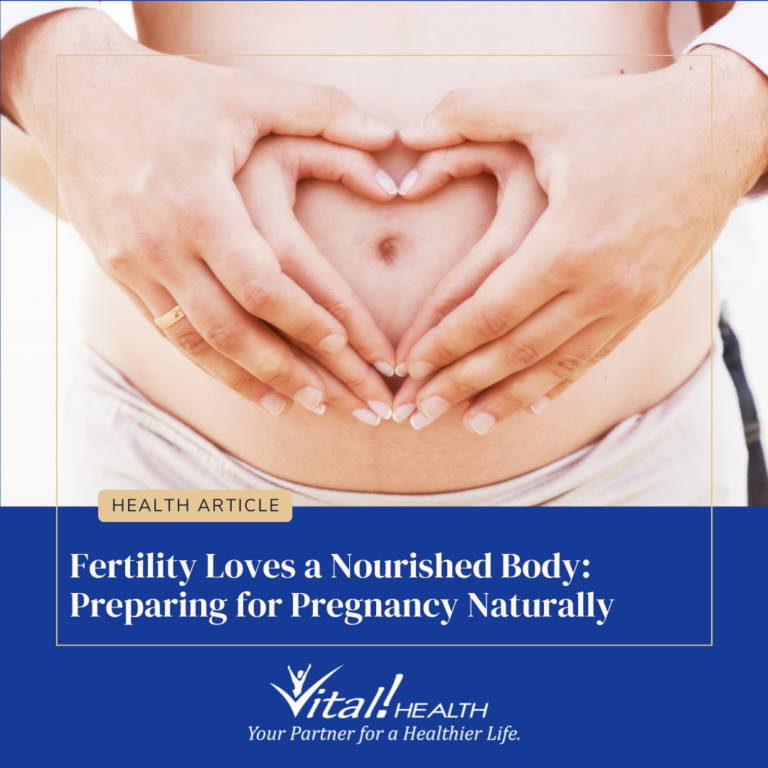
For most people, pregnancy begins with a positive test. But biologically, that is late in the story. Long before conception, the body is building hormones, maturing eggs, producing sperm, regulating blood sugar, calming inflammation, strengthening immune resilience, and laying the foundation for implantation and fetal development.
Modern medicine increasingly recognizes this, urging preconception care that includes good nutrition, targeted supplementation such as folic acid, calcium and other key nutrients, weight balance, chronic disease management, medication review, and reducing alcohol, tobacco, infections, and toxin exposures.
This idea of preconception preparation is not new. Historical traditions in several parts of the world treated conception as something to prepare for, not something to leave to chance. Ayurvedic literature, for example, described preconception care centuries ago, emphasizing regimen and preparation before pregnancy. Weston A. Price, a dentist in the early 1900’s also reported that a number of traditional peoples deliberately fed future parents special “sacred foods” before conception—foods like organ meats, fish eggs, rich dairy fats, and other nutrient-dense foods that were especially emphasized and intentionally provided during times of reproduction, growth, and resilience. This nourishment often continued through pregnancy, post-delivery, while nursing, and in preparing for the next pregnancy.
Not every ancient culture practiced a one-year fertility diet that we know of, but many had intentional nourishment practices before pregnancy — showing that this concept has deep historical roots.
Today the principle is the same: healthier bodies tend to conceive more readily and support pregnancy more effectively. Research in couples undergoing IVF/ICSI has found that stronger adherence to a healthy preconception diet is associated with a higher probability of pregnancy. In practical terms, this means building meals around vegetables, legumes, fish, meat, whole foods, and mineral-rich proteins, rather than relying on processed convenience foods. It also means correcting nutritional depletion before pregnancy instead of discovering it during pregnancy — or during struggles to conceive.
Acupuncture can also play a meaningful role. Current evidence suggests acupuncture may be a helpful adjunct, especially when used as part of a broader fertility plan. Recent systematic reviews have shown improvements in clinical pregnancy rates with acupuncture, and in some cases modest increases in live birth rate, particularly with better treatment timing and longer courses rather than just a last-minute treatment around embryo transfer.
While no single approach can guarantee outcomes, acupuncture is widely used in fertility care because of its ability to support cycle regulation, reduce stress, and help prepare the body for conception. In clinical practice, it is often a valuable part of a comprehensive, supportive plan.
In other words, pregnancy should not start in a depleted, sick, or unhealthy state. It should start with preparation. A year of preparation is ideal. Build the body first, and you give new life a stronger place to begin.
If you are planning for pregnancy – or have been trying without success – this is a powerful place to start. At Vital Health, we help identify underlying imbalances, restore nutritional status, and guide you step by step in preparing your body for conception and a healthy pregnancy.
You do not have to figure this out alone.