

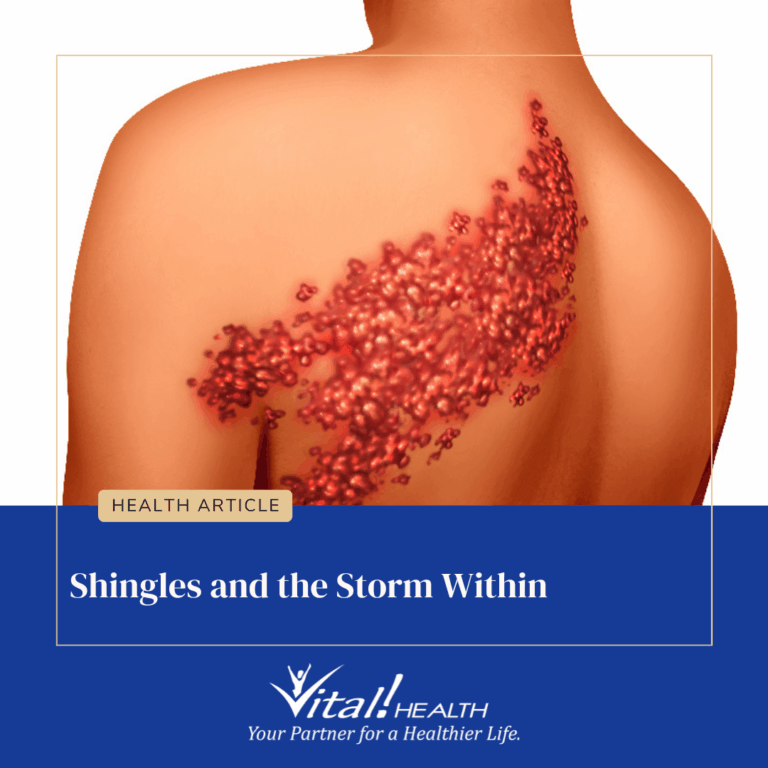
It often begins with a tingle or a strange burning sensation on one side of the body. Within days, a painful band of blisters appears, tracing the path of a nerve. Shingles—caused by reactivation of the chickenpox virus—can be agonizing, but it’s also a warning signal: the immune and nervous systems are under strain.
After a childhood infection, the herpes zoster virus retreats into the nerve ganglia, where it can lie dormant for decades. When stress, exhaustion, poor nutrition—or generally a combination of all three—deplete the body’s defenses, the virus seizes its chance. As it travels down the sensory nerves, it inflames and damages them, creating intense pain, burning, and sometimes lingering nerve sensitivity known as postherpetic neuralgia.
Chronic stress is the greatest trigger. Elevated cortisol suppresses immunity and slows nerve repair. But dietary habits can quietly set the stage long before shingles appears. High sugar intake, refined carbohydrates, and processed oils inflame the body and weaken immune response. Excess caffeine, alcohol, and spicy or fried foods overstimulate the nervous system and create internal “heat,” making the body more prone to fiery conditions like shingles. A diet lacking in fresh produce, healthy fats, whole food B-vitamin complexes, and minerals leaves the nerves malnourished and vulnerable.
Because shingles is considered a “hot” condition—marked by burning, redness, and inflammation—cooling foods can help restore balance. Think cucumbers, leafy greens, watermelon, mung beans, celery, apples, pears, and herbal teas such as chamomile, peppermint, or chrysanthemum. These soothe the body from the inside while replenishing fluids depleted by stress and fever.
During an active episode, rest and stress reduction are medicine. Keep the affected area cool and loosely covered. Breathing exercises or meditation calm the mind and the nervous system. Adequate hydration, mineral-rich broths, healthy fats, and soothing herbal teas (lemon balm, licorice, or oat straw) support recovery. Sunlight and fresh air help rebalance natural rhythms and lower cortisol.
Acupuncture is remarkably effective for shingles. It reduces nerve inflammation and pain, increases local blood flow for healing, modulates immune and stress responses, clears the excess “heat” that fuels shingles, and restores internal balance. Patients often notice faster rash resolution and significant pain relief—even in postherpetic neuralgia, where nerve pain can otherwise persist for months.
Shingles can be frightening, but it’s also an invitation to slow down, nourish deeply, and restore calm. Through attentive care—nutritionally, emotionally, and with the gentle precision of acupuncture—the body can quiet the fire and return to harmony.
Learn more about our approach to skin health here.
Want to hear more from Dr. Carling? Check out our podcast. Search for VitalHealth4You on your favorite podcast listening app or go to vitalhealthcda.com/podcasts/
©2025 Holly A. Carling, O.M.D., L.Ac., Ph.D.