

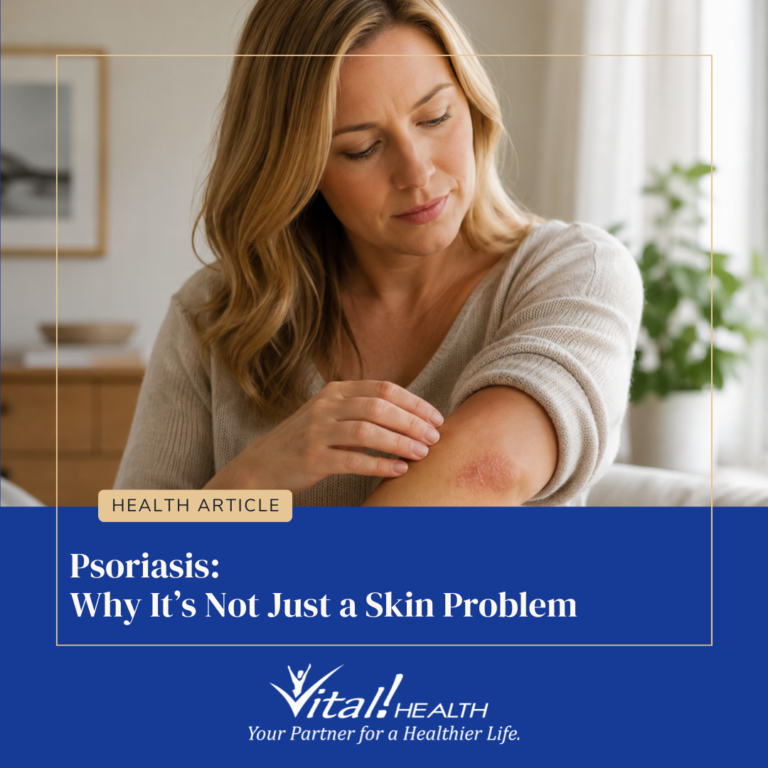
Psoriasis is often treated as a skin condition, but the skin is rarely the whole story. While creams, ointments, and medications may temporarily calm symptoms, many people find that the plaques, itching, flaking, and irritation continue to return. That’s because psoriasis is often an outward expression of deeper imbalances occurring within the body.
The skin is one of the body’s major elimination and communication organs. When underlying stressors build over time, the skin may become one of the places where the body expresses that burden. For some people, psoriasis appears during periods of chronic stress. For others, digestive disturbances, food sensitivities, chronic inflammation, infections, blood sugar imbalances, poor detoxification, nutrient deficiencies, or other systemic challenges may play a role.
This does not mean there is a single cause for every person. Psoriasis is often the result of multiple factors interacting over many years. Understanding those factors is often like peeling back the layers of an onion—each layer may reveal another contributor beneath it. The visible skin changes are simply the final stage of a process that may have been developing long before symptoms appeared. From a root-cause perspective, the goal is not merely to suppress the skin lesions. The goal is to understand what is driving the inflammatory process underneath. Is the digestive system functioning properly? Are nutrient needs being met? Is chronic stress placing excessive demands on the body? Are there hidden infections or other sources of ongoing irritation that have never been addressed?
Acupuncture can be an important part of this process. Beyond helping reduce inflammation and discomfort, acupuncture supports immune health and supports the body’s regulatory systems to help restore balance throughout the body. Many patients report improvements not only in their skin, but also in energy, digestion, sleep quality, stress resilience, and overall well-being.
Nutrition also plays a critical role. While there is no universal psoriasis diet, identifying inflammatory foods—such as excess sugar, highly processed foods, refined carbohydrates, coffee, alcohol, or even individual food sensitivities—supporting digestive health (including having adequate bowel movements), stabilizing blood sugar, and ensuring adequate intake of key nutrients can improve the body’s ability to heal. Targeted herbal and nutritional support is often beneficial as part of a comprehensive treatment plan, along with acupuncture.
The skin should never be ignored, but neither should it be viewed in isolation. Psoriasis is often a message that something deeper requires attention. When treatment focuses only on the surface, results may be temporary. When the underlying factors are identified and addressed, the body has a greater opportunity to restore healthier skin from the inside out.
Learn more about our approach to skin health here.
Want to hear more from Vital Health? Check out our podcast. Search for VitalHealth4You on your favorite podcast listening app or go to vitalhealthcda.com/podcasts/