

Stress is part of life, and the body responds to stress by releasing hormones to help you handle it. When long-term stress accumulates, the result is fatigue.
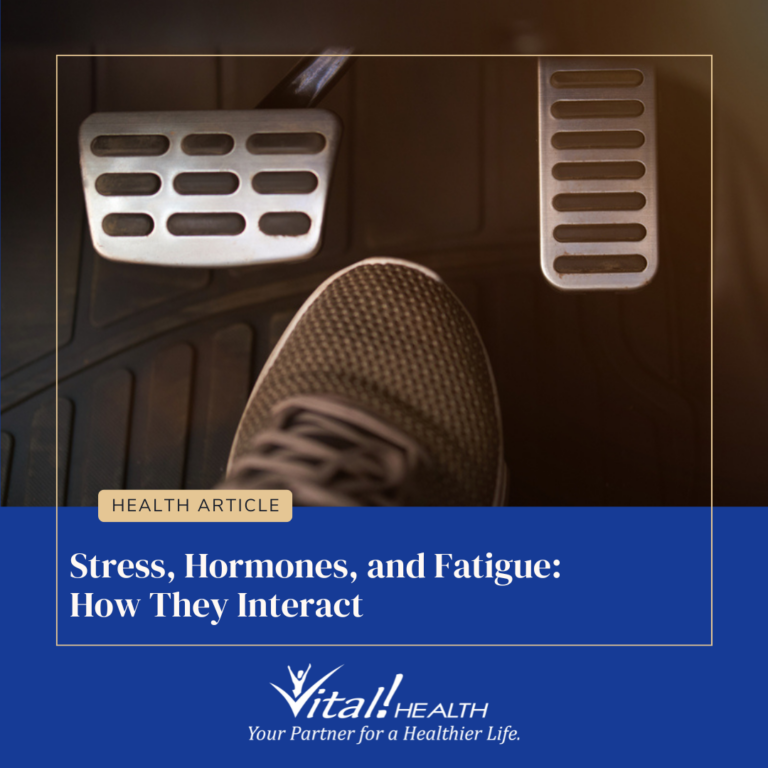
Imagine your body is like a car. Your cells are the engine, nutrients are the fuel, and stress hormones—especially cortisol and adrenaline—act like the gas pedal.
When something stressful happens, your brain signals the release of stress hormones. These hormones tell your body, “We need more energy right now.”
Your heart beats faster, blood sugar rises to provide quick fuel, your mind becomes more alert, and energy is redirected toward helping you handle the challenge. This is a normal and healthy response. It’s like pressing the gas pedal to merge onto a busy highway or avoid an accident. The extra power helps you perform when it matters.
The problem begins when stress is no longer occasional and becomes chronic. Imagine driving everywhere with the gas pedal pushed almost to the floor. The car can do it for a while, but it wasn’t designed to operate that way all the time. If you don’t slow down, you’re likely to blow your engine.
Chronic stress from work, finances, family responsibilities, poor sleep, or chronic pain takes a toll. As a result, stress hormones keep telling the body to produce more energy and keep the fight-or-flight system upregulated.
At first, this can make you feel productive and driven. You push through long workdays, sleep less than you should, and rely on caffeine to keep going. The car still appears to be running fine. But behind the scenes, resources are being consumed faster than they are being replaced.
The fuel tank (nutritional reserves) starts running low. Maintenance gets delayed as the body focuses on fight-or-flight, not repair. The engine (our body) experiences more wear and tear. Over time, physical degeneration occurs, and tissues, glands, and organs start to lose function. You wake up tired, feel mentally foggy, lose motivation, and unwanted symptoms start to appear.
Stress hormones are not bad. They are essential for survival and performance. The problem occurs when the gas pedal stays down for too long.
This is where acupuncture and clinical nutrition can really help.
Acupuncture helps regulate the body’s stress response. It helps the nervous system shift from constant fight-or-flight mode into a relaxed state where healing, recovery, and repair can occur.
Clinical nutrition supplies the body with the specific resources necessary to repair, balance, and produce energy efficiently.
Together, acupuncture and clinical nutrition are highly effective in restoring you to a balanced state of optimal health so you can deal with stressful things more effectively.
Learn more about our approach to stress here.
Learn more about our approach to hormonal health here.
Learn more about our approach to fatigue and lack of energy here.
Want to hear more from Vital Health? Check out our podcast. Search for VitalHealth4You on your favorite podcast listening app or go to vitalhealthcda.com/podcasts/