

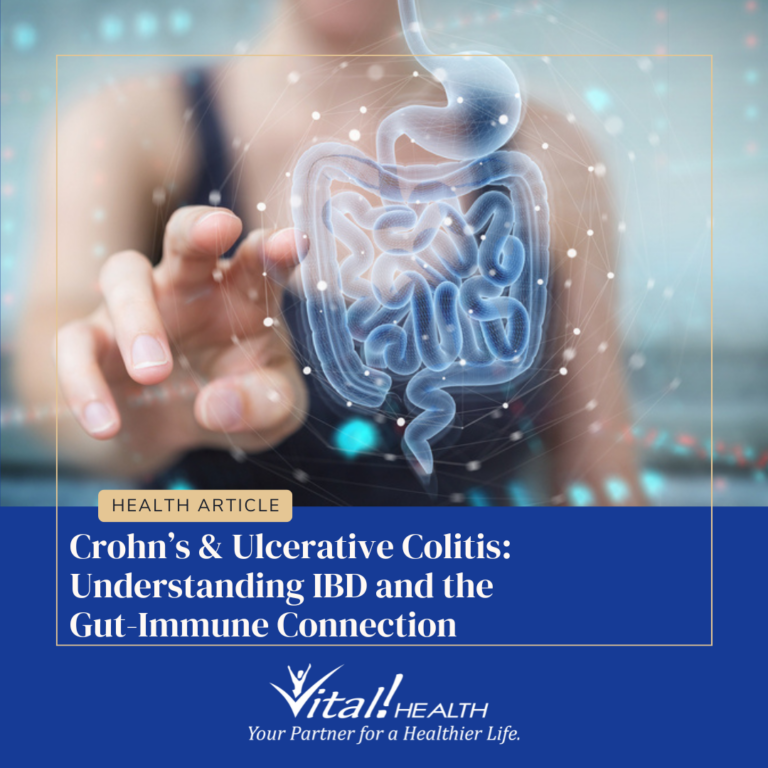
Crohn’s Disease and Ulcerative Colitis are often grouped together under the term “inflammatory bowel disease” (IBD), but they are not the same. Crohn’s can affect any part of the digestive tract from mouth to anus and often penetrates deeply into tissues. Ulcerative colitis is limited to the colon and rectum and primarily affects the inner lining. Both, however, involve a dysregulated immune response in the digestive tract.
What is important to understand is this: autoimmune disease rarely appears overnight. The body usually progresses toward an autoimmune state over time.
Long before diagnosis, many people experience years of digestive irritation, food sensitivities, chronic stress, microbiome disruption, poor diet, recurring infections, antibiotic exposure, or ongoing inflammation. Over time, the intestinal barrier weakens, inflammation rises, and the immune system becomes increasingly reactive. Eventually, the inflammatory process itself begins damaging intestinal tissue. It doesn’t get confused as to the difference between self and non-self; it is a progression of the disease.
Many patients with Crohn’s or Ulcerative Colitis notice flare-ups during periods of high stress, poor eating habits, lack of sleep, or after repeated courses of antibiotics. Antibiotics can sometimes be necessary, but frequent use may dramatically alter the microbiome—the ecosystem of beneficial bacteria that helps regulate immunity, inflammation, and the integrity of the gut lining.
The gut lining is supposed to function like a selective barrier. It allows nutrients into the bloodstream while keeping larger particles, toxins, microbes, and inflammatory compounds out. When that barrier becomes compromised, the immune system is exposed to substances it was never designed to constantly battle. Over time, the immune system may become hypervigilant and aggressive.
People with inflammatory bowel disease often do better when they reduce inflammatory burden instead of constantly pushing through symptoms. Common aggravating factors may include processed foods, sugar, alcohol, coffee, smoking, food additives, fried foods, seed oils, spices, gluten, dairy, or chronic stress.
What helps? For many: simpler meals, cooked vegetables, mineral-rich broths, adequate protein, hydration, healthy fats, and foods that support the microbiome rather than damage it. During flares, the digestive tract may tolerate softer and less abrasive foods better than raw or coarse foods.
Stress management matters. The digestive tract and nervous system are deeply connected. Chronic stress alters motility, increases inflammation, changes gut bacteria, and weakens digestive repair mechanisms. Sleep too is critical.
Acupuncture can play an important role in Crohn’s and Colitis by regulating the nervous system, reducing stress physiology, improving circulation to digestive organs, improving sleep and digestive function and calming inflammation. Many patients report improvements in pain, cramping, urgency, bloating, fatigue, stool quality, improved sleep and overall quality of life when acupuncture is incorporated consistently into their care plan.
The goal is not simply to suppress symptoms temporarily, but to reduce the inflammatory load that pushed the body toward autoimmunity in the first place. The earlier those patterns are recognized and addressed, the greater the opportunity to calm the immune system before deeper damage occurs.
Learn more about our approach to digestive health here.
Want to hear more from Vital Health? Check out our podcast. Search for VitalHealth4You on your favorite podcast listening app or go to vitalhealthcda.com/podcasts/