

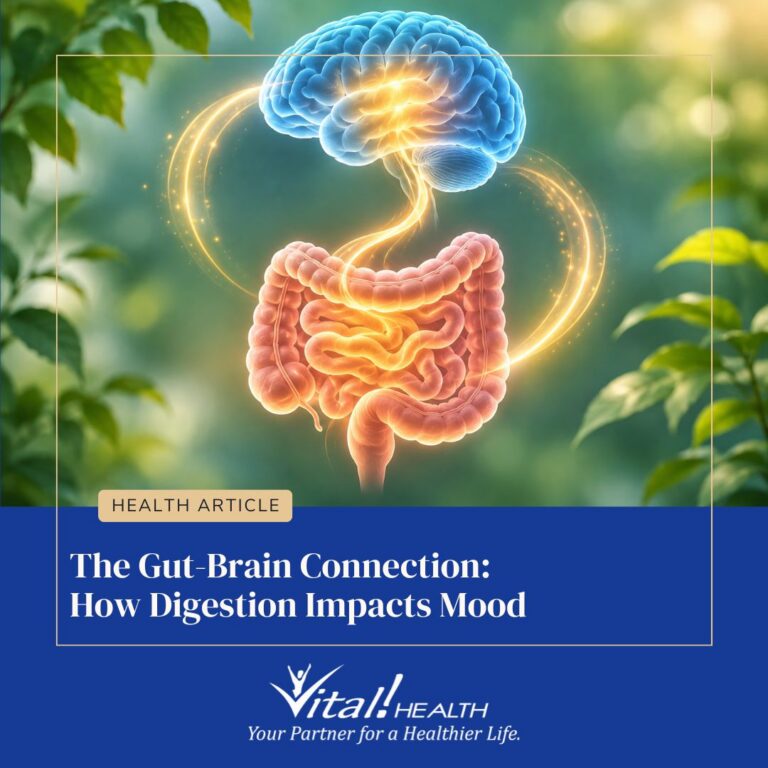
Have you ever had a “gut feeling” about something—and turned out to be right? That familiar expression reflects something very real: your gut and your brain are intimately connected.
The gut-brain axis helps explain why digestive problems can affect you far more than you might think. Interestingly, bloating, constipation, diarrhea, and reflux can lead to fatigue, brain fog, irritability, and even depression.
Because your digestive tract contains an extensive network of nerve cells called the enteric nervous system, it is referred to as the “second brain.” It communicates with the brain through several pathways, including the vagus nerve, the immune system, hormones, and chemical signals produced by the gut microbiome.
One of the most fascinating connections involves serotonin, a neurotransmitter that is associated with mood and sleep. 90% of the body’s serotonin is produced in the gastrointestinal tract.
Your gut microbes produce compounds that communicate with the nervous system. When the microbiome is healthy and diverse, these signals can support normal immune function and brain-gut communication. When the microbiome becomes disrupted, inflamed and out of balance, altered signaling influences our brain.
And the relationship works both ways. Stress affects the gut just as the gut affects the brain. Chronic stress can slow intestinal movement and digestive function, which is why stress can trigger constipation, diarrhea, bloating, or reflux.
Because the gut and brain are so closely connected, supporting one can help support the other. Acupuncture helps regulate the gut-brain axis by harmonizing the autonomic nervous system, stress responses, pain signaling, and intestinal motility. For people whose digestion is strongly affected by stress, acupuncture can be an invaluable tool for helping the body shift toward a calmer, more harmonized state where healthy digestion can occur.
Clinical nutrition can play an important role in addressing digestive problems and supporting a healthier gut environment. Rather than simply treating digestive symptoms, a nutritional assessment can help identify dietary patterns, nutrient needs, food sensitivities, and other factors that may be contributing to poor digestion. A personalized nutrition plan can then provide the proper nutrients, fiber, fluids, and whole foods needed to support healthy digestion and a balanced microbiome.
Together, acupuncture and clinical nutrition address both sides of the gut-brain connection: regulating the body’s systems while providing the nutritional building blocks they need to function properly.
Think of your gut as a garden. The food you eat, your sleep, movement, stress levels, and daily habits all influence the environment in which your gut microbiome lives.
When digestion is functioning well, people experience steadier energy, improved mood, better sleep, and greater mental clarity.
Your gut and brain are not separate systems, they are partners. When you take care of your gut, you are also supporting your mind, mood, and overall well-being.
Related Care
Learn more about our approach to Digestive Health.
Learn more about our approach to Anxiety, Depression and Emotional Health.
Listen & Learn Podcast Episode 43 The Gut-Brain Connection Podcast Episode 87 The Profound Impact Your Diet Can Have on Your Mental Health