

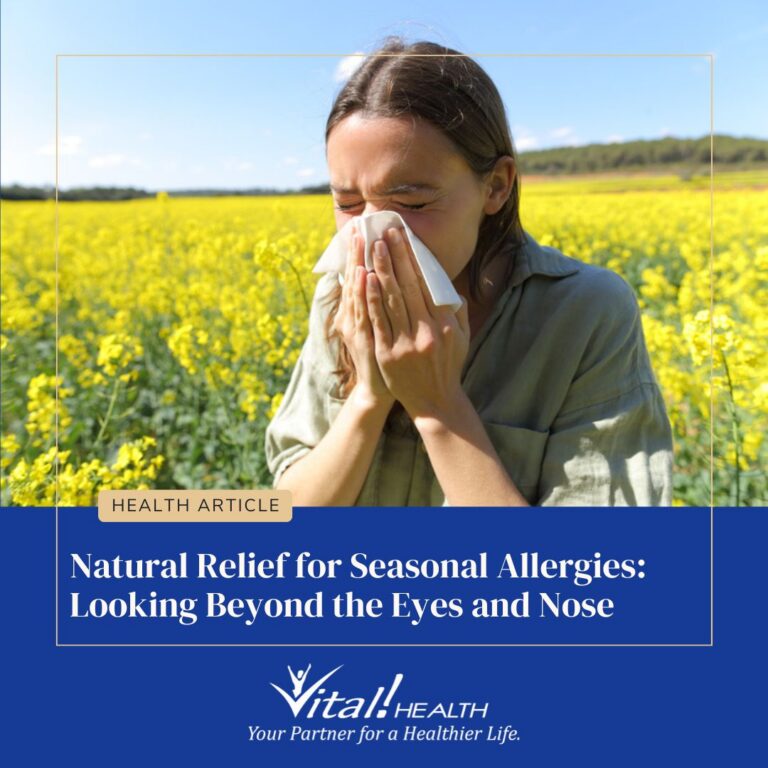
When seasonal allergies strike, most people focus on pollen and the respiratory tract. They reach for antihistamines, nasal sprays, or eye drops to reduce symptoms. While these can provide temporary relief, they don’t explain why one person walks through a field of blooming flowers without a sniffle while another is miserable for months.
The difference often lies in the body’s overall inflammatory burden and its ability to process histamine efficiently. Histamine is a normal chemical messenger that helps fight infection, heal tissues, and regulate the nervous system. Problems arise when histamine production exceeds the body’s ability to break it down or clear it.
Think of your body as having an “inflammatory bucket.” Every stressor adds another cup: seasonal pollen, poor diet, chronic infections, environmental chemicals, emotional stress, lack of sleep, intestinal irritation, hormone fluctuations, and ongoing inflammation. Eventually the bucket overflows, and allergies may be the visible result.
The liver is one of the body’s primary organs for clearing histamine and inflammatory compounds. If it is already processing medications, alcohol, environmental toxins, processed foods, or chronic inflammation, histamine clearance may slow, leaving more histamine in circulation.
The digestive tract also plays a major role. About 70% of the immune system is associated with the intestines. Poor digestion, food sensitivities, or an imbalanced microbiome can increase inflammatory signaling throughout the body. Some intestinal bacteria help regulate histamine, while others produce it. Supporting digestive health often reduces the overall inflammatory load.
The adrenal glands deserve attention as well. Cortisol naturally helps regulate inflammation. During chronic stress, poor sleep, or prolonged illness, this system may become less effective, allowing inflammatory responses to become exaggerated. Chronic stress also activates the fight-or-flight response, making the body more reactive and often worsening allergy symptoms.
The respiratory tract is where symptoms appear, but the eyes, sinuses, lungs, digestive system, liver, endocrine system, nervous system, and immune system all influence the allergic response.
Rather than simply blocking histamine after it is released, a more complete strategy is to reduce the body’s inflammatory burden. Improving nutrition, supporting digestive and liver function, addressing chronic infections when present, managing stress, improving sleep, and restoring healthy immune regulation all help raise the threshold at which allergies become problematic.
Acupuncture can also help by regulating nervous system activity, reducing inflammatory signaling, and supporting the body’s own regulatory mechanisms. Many patients notice they become less reactive to seasonal allergens and recover more quickly after exposure.
Seasonal allergies are rarely just about pollen. They are often a sign that the body’s capacity to manage inflammation has been exceeded. When you support the systems responsible for regulation and recovery, allergy symptoms often become far less intense—and can disappear altogether.
Related Care
Learn more about our approach to Allergies.
Listen & Learn Podcast Episode 37: Managing Your Seasonal Allergies