

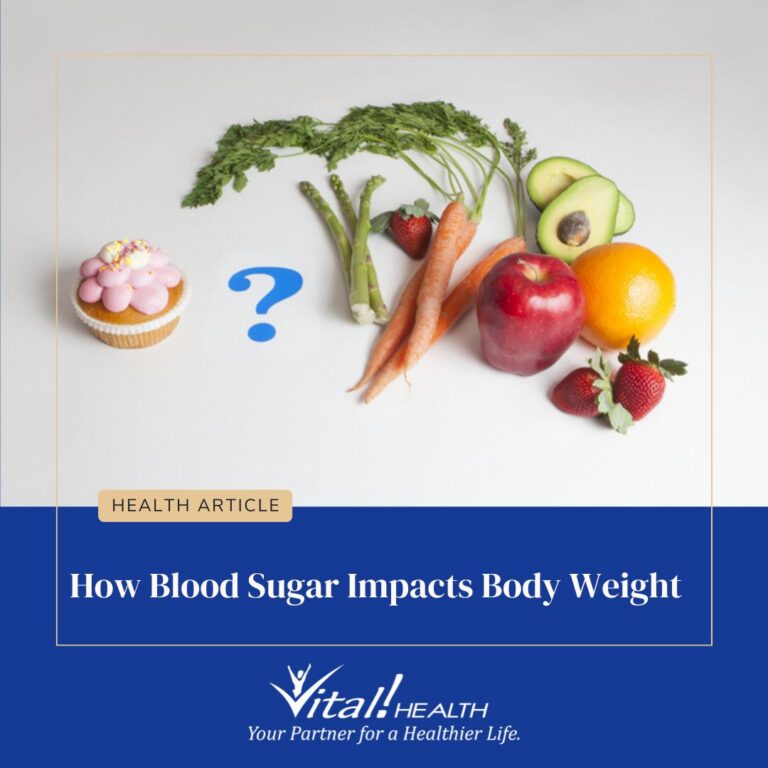
Our blood sugar has a major influence on body weight because it determines whether your body burns fuel or stores it. Your body has two fuel sources, either sugar (glucose) or stored fat. To burn fat, you first must burn through the sugar in your blood before your body can access the stored energy.
After eating refined carbohydrates, the amount of sugar in your blood rises. In response, the pancreas releases insulin, whose job is to move sugar out of your bloodstream and into your cells. If your cells need energy, that glucose is burned. But if you’ve already met your energy needs, insulin tells your body to store extra glucose as glycogen in your liver and muscles and convert any remaining excess into body fat. In simple terms, insulin is a fat storage hormone.
When we eat sugar and carbohydrates throughout the day, our insulin levels stay elevated. The problem isn’t that insulin is “bad”—it’s that it is designed to be released in bursts after meals, not at high levels all day, every day. When the cells are full of glucose, they stop responding effectively to insulin. This is called insulin resistance. Insulin resistance forces the pancreas to produce even more insulin. Constant high insulin blocks fat burning and encourages fat deposition, particularly around the midsection.
Conversely, stable blood sugar levels facilitate weight loss by keeping insulin levels low, allowing the body to access stored fat for energy. Managing blood sugar through a diet of low-carbohydrate foods, protein, good fats, and non-starchy vegetables increases insulin sensitivity, helping the body to utilize stored fat for energy.
Sugar is not legally classified as a drug, but it triggers drug-like neurochemicals in the brain, just like cocaine and opioids do. So, our relationship with sugar is a love-hate dynamic where biological attraction conflicts with serious health concerns like heart disease.
Getting off sugar is the best way to support your health and access the energy stored in your body. It’s also one of the most challenging things you can do. That’s why working with a qualified health professional can be life-changing. Professional support ensures a safe, sustainable way of reducing sugar intake while addressing the underlying nutritional deficiencies and root causes that contribute to sugar cravings.
Studies show that acupuncture can lower blood glucose levels, improve insulin sensitivity, and regulate dopamine pathways. For even better results, acupuncture is combined with personalized clinical nutrition that strengthens the body and mind. Breaking free from sugar can be challenging because of its powerful effects on the brain, but you don’t have to do it alone. Imagine becoming your ideal, healthy weight and how great that feels!
Related Care
Learn more about our approach to Blood Sugar and Diabetes.
Learn more about our approach to Weight.
Listen & Learn Podcast Episode 18 Busting Myths About Sugar, Fat & Weight Loss